

You can make money with digital art works by turning created artwork into paid products, services, licenses, or educational content. Making money with digital art increases income through commissions, printing, licensing, freelancing, digital downloads, community memberships, and commercial asset creation. This guide explains how to make money with digital art using expanded, deeply detailed explanations for every profitable method.
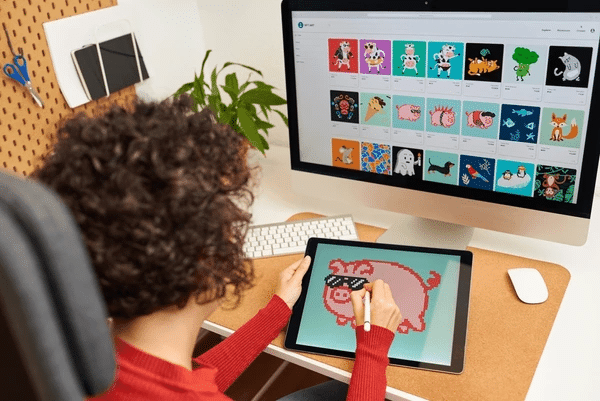
Table of Contents
Why Making Money With Digital Art Works So Well
Digital art delivers strong earning potential because the artwork exists as a reusable digital file. One illustration can sell hundreds of times as prints, downloads, or licenses. Digital art eliminates material costs, allows instant delivery, supports global audiences, and integrates into industries including gaming, entertainment, publishing, marketing, and social media design. Digital art scales because income does not depend on physical production.
Best Ways To Make Money With Digital Art
Each point below provides deep explanation, how it works, why it works, and what sells best.
1. Sell Digital Art Prints on Marketplaces
Selling digital prints creates long-term passive income, because each file sells repeatedly without additional work.
How it works
- You create a high-resolution art file (PNG, PDF, JPG).
- You upload the file to marketplaces such as Etsy, Creative Market, or Gumroad.
- Customers purchase and download the artwork instantly.
- You retain full rights and earn money on every download.
What sells best
- Minimalist wall prints
- Abstract art
- Nature illustrations
- Aesthetic posters
- Typography designs
- Cute character artworks
Why this works
Digital prints require zero inventory, zero packaging, zero shipping, and zero physical production. A single artwork can generate income indefinitely.
2. Offer Custom Artwork Commissions
Commissions deliver direct high-value payments because clients want custom, personal artwork.
How it works
- You create a price sheet explaining art styles, sizes, revision limits, and delivery format.
- Potential clients request custom pieces through Instagram, TikTok, Twitter, ArtStation, or email.
- You sketch drafts, receive approval, complete final files, and deliver artwork digitally.
- Payment is collected before or after completion depending on the commission process.
High-demand commission categories
- Portraits (realistic, anime, stylized)
- Pet illustrations
- Character design
- Logo sketches
- Twitch emotes
- Book cover art
- Tattoo design
- DnD character art
Why this works
Custom art pays higher rates because each piece matches personal preferences or commercial needs.
3. Sell Physical Prints and Artist Merchandise
Digital art becomes profitable physical merchandise through print-on-demand services.
How it works
- You upload designs to print-on-demand platforms.
- Customers buy your artwork on shirts, posters, mugs, stickers, etc.
- The platform handles printing, packaging, and shipping.
- You earn profit per sale without touching inventory.
Popular merchandise items
- High-quality art prints
- Stickers (cute, aesthetic, meme-style)
- Phone cases
- Apparel
- Tote bags
- Calendars
- Desk art cards
Why this works
Your art becomes a brand. Fans purchase physical versions of digital artwork, and you never manage shipping.
4. License Digital Art for Commercial Use
Licensing sells usage rights to your artwork. Companies pay for permission to use your digital art in products.
How it works
- You upload assets to licensing libraries or stock sites.
- You choose personal-use, commercial-use, or extended license options.
- Businesses pay per license, and you earn royalties.
- Artwork remains yours while generating ongoing revenue.
What gets licensed frequently
- Icons
- UI assets
- Backgrounds
- Decorative illustrations
- Pattern designs
- Small character assets
- Branding artwork
Why this works
Companies want ready-made assets. Licensing provides unlimited earning potential from each file.
5. Sell Digital Brushes, Textures, and Artist Tools
Digital artists buy brushes, texture packs, overlays, and toolkits to improve their workflow.
How it works
- You design brushes for apps like Procreate, Photoshop, Clip Studio, or Krita.
- You create texture sets including grain, fabric, watercolor, paper, skin, metal, and stone.
- You bundle and sell them as digital downloads.
- Customers reuse these tools in their own artwork.
High-value tool categories
- Shading brushes
- Texture overlays
- Lighting packs
- Pattern generators
- Watercolor brush sets
- Hair and fur brushes
- Lineart stabilizer brushes
Why this works
Digital tools sell consistently because artists constantly want new resources to improve their skills and speed.
6. Create and Sell Online Courses or Tutorials
Teaching digital art creates large-scale income because knowledge becomes a scalable digital product.
How it works
- You record tutorials explaining drawing methods, anatomy, color theory, or software skills.
- You create structured lessons for beginners, intermediates, or advanced learners.
- You upload them on Skillshare, Udemy, Gumroad, or your own site.
- Students pay to access your lessons, generating recurring earnings.
High-demand teaching topics
- Character design
- Anime-style drawing
- Digital painting fundamentals
- Procreate techniques
- Portrait shading
- Clip Studio workflows
- Composition and visual storytelling
Why this works
Artists turn their expertise into a sellable product that earns money even while they sleep.
7. Work as a Freelance Digital Artist
Freelancing delivers steady project-based income across industries.

How it works
- You create a professional portfolio.
- You define service offerings such as illustration, concept art, branding, or UI art.
- You find clients through platforms or pitch directly.
- You complete contracted artwork and get paid per project or per hour.
Common freelance digital art jobs
- Brand illustration
- Social media graphics
- Mobile game assets
- Character sheets
- Book illustrations
- Product packaging art
- UI icon sets
- Storyboard art
Why this works
Businesses constantly need fresh artwork, creating stable and ongoing demand.
8. Build a Patreon or Membership Community
Memberships provide recurring monthly income.
How it works
- You create tiered subscription levels.
- Each tier offers exclusive bonuses like artwork, timelapses, PSD files, tutorials, or brush sets.
- Members pay monthly to access your exclusive content.
- Long-term retention creates stable revenue.
Popular membership rewards
- Timelapse videos
- Behind-the-scenes workflow
- Exclusive illustrations
- Early access to art packs
- Monthly challenges
- Step-by-step tutorials
Why this works
Fans want deeper connection and exclusive value beyond social posting.
9. Create NFTs for Collectors (If Your Audience Requests It)
NFT art still carries value in collector-driven communities. Digital artists mint artwork on blockchain marketplaces.
How it works
- You design limited artworks.
- You mint each piece on blockchain platforms.
- Buyers purchase ownership of the digital artwork.
- You earn royalties every time the NFT is resold.
Why this works
NFTs support collectible art markets where scarcity increases value.
10. License Art to Book Publishers, Game Studios, and Animation Teams
Entertainment industries heavily depend on digital artwork.
How it works
- You create a portfolio specialized in character art, environments, or stylized concepts.
- You contact studios, editors, or producers.
- They purchase rights to use your artwork or hire you for project-specific tasks.
- Projects include book covers, game assets, or animation concepts.
High-demand areas
- Mobile game characters
- Fantasy environments
- Sci-fi props
- Children’s book illustrations
- Animated series style sheets
- Comic panel art
Why this works
Entertainment industries constantly need unique visuals for new content.
11. Grow a Social Media Presence to Drive Income
Social media builds visibility, which converts into sales.
How it works
- You post consistently on visual platforms.
- You use videos, timelapses, carousels, and trending formats.
- You direct followers to your shop, commissions, or memberships.
- More visibility increases conversion rates.
Content that performs best
- Speedpaint videos
- Sketch-to-final transformations
- Art challenges
- Timelapse reels
- Tutorials
- Process breakdowns
Why this works
Social media functions as free advertising for your artwork.
12. Sell Digital Stickers and Planner Packs
Digital planners and aesthetic sticker packs grow in demand yearly.
How it works
- Create PNG sticker sets.
- Design planner templates for GoodNotes, Notability, or tablet apps.
- Sell downloads instead of physical items.
Popular planner items
- Daily planners
- Habit trackers
- Aesthetic icons
- Scrapbook elements
- Bullet journal templates
Why this works
Digital planners have large, dedicated audiences that consistently purchase new art packs.
Bonus Tips to Make Money Faster as a Digital Artist
- Build a clear, appealing portfolio.
- Offer value-rich bundles to increase order size.
- Sell art in multiple formats (prints, downloads, merch).
- Improve consistency in posting and product updates.
- Maintain stylistic identity to build recognizability.
- Set long-term goals for brand growth.
These actions multiply earning potential.
Conclusion
Making money with digital art works through scalable digital products, high-value commissions, global marketplaces, membership communities, and commercial licensing. Digital artists earn by combining creative output with smart distribution, shaping a sustainable income system. With precise strategy and consistent production, digital art becomes a profitable long-term career.

Ben Scott is a prominent technology journalist and reviewer, specializing in tablet devices. He is known for his comprehensive and unbiased reviews of tablets from various manufacturers.
With a deep understanding of tablet technology, including hardware components, operating systems, and software applications, Scott provides clear and informative reviews accessible to readers of all levels of technical expertise.
His attention to detail and in-depth analysis have earned him a loyal following of readers.